
Your data is in Canada. Is it under Canadian control?
Residency tells you where your data sleeps. Sovereignty tells you who can be compelled to hand it over.

Your provider isn't lying. Your data is in Canada.
A Canadian region. A residency clause in the contract. Every checkbox ticked. For most organizations, that is where the diligence ends.
But U.S. law attaches to the corporate entity, not the data's location.
CLOUD Act
2018
Compels U.S.-headquartered providers to produce data in their possession, custody, or control, regardless of where in the world it is stored.
FISA §702
Intelligence
Authorizes intelligence directives to U.S. communication service providers, and can bar them from ever telling you a demand was made.
A Canadian region of a U.S.-headquartered provider is legally reachable.
A contractual residency clause is commercially valuable, and legally subordinate to statute. A promise in a contract cannot override an obligation in law.
Location is not control.
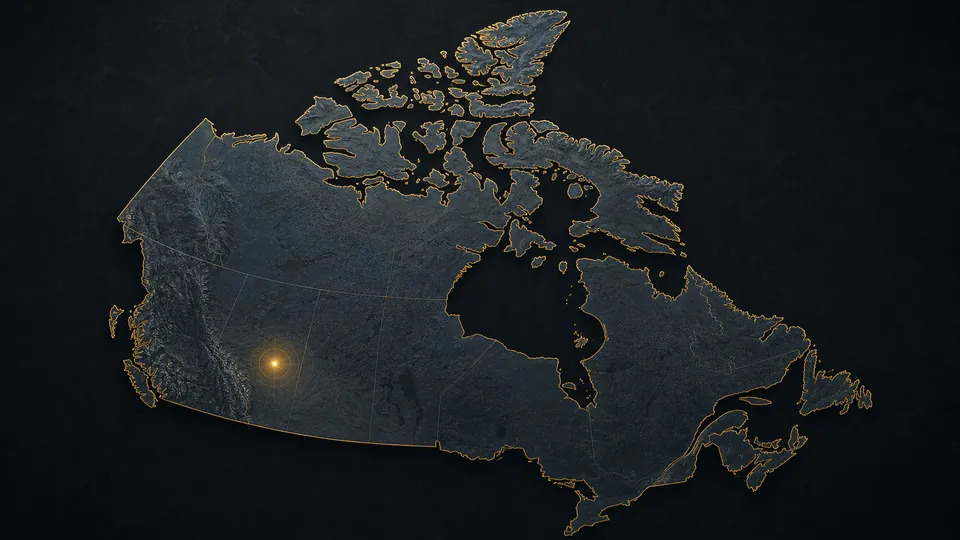 Canada
Residency met
Canadian AZ
Data lives here
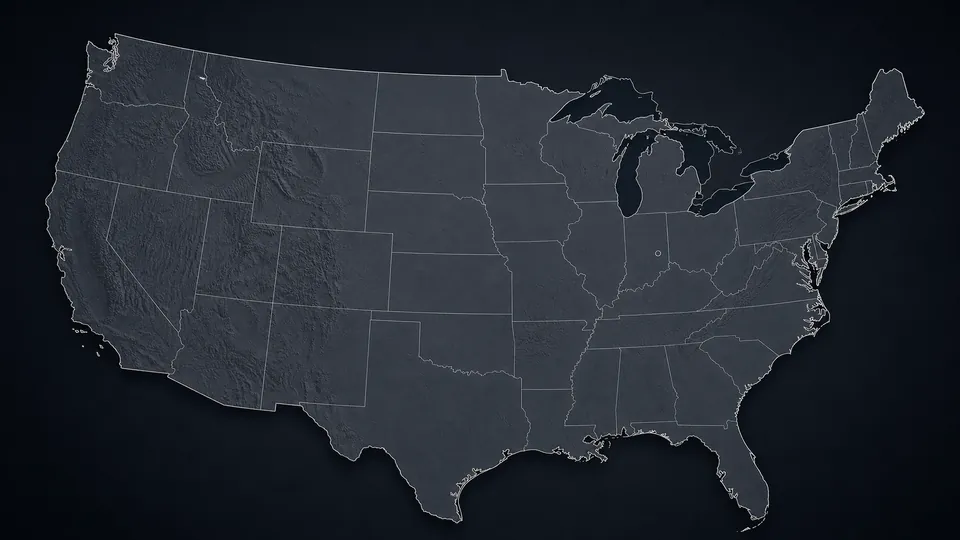 United States
Provider HQ
CLOUD Act · FISA §702
So what makes infrastructure sovereign?
It isn't a checkbox on a compliance form. It's a question of who can reach your systems, and under whose law they operate.
Everything the data touches. Everyone who touches it.
Data, workloads, models, metadata and encryption keys, and the people and processes that administer them, all under Canadian legal and operational control. Administrative access is the piece most definitions miss.
This isn't our definition. It's the Government of Alberta's.
The Government of Alberta has defined what a Sovereign Compute Environment requires: compute, data, and administrative control held within Canadian jurisdiction.
Sovereign Compute Environment, Government of Alberta
For These Workloads, Sovereignty Isn't a Preference
If your data falls into these categories, Canadian control is a compliance requirement, written into public law and regulatory expectation.
CCCS ITSP.10.033-01 (Medium)
Protected B federal workloads are now assessed against the CCCS Medium-impact control profile, which replaced ITSG-33 PBMM in 2026. Protected C demands more, not less: dedicated isolation and Canadian jurisdiction across the full stack.
Alberta Protection of Privacy Act (POPA)
Alberta public bodies can't deploy AI on personal information based on a vendor's residency claims. POPA requires documented controls, lawful authority, and demonstrable jurisdictional protection.
Alberta Health Information Act
Health data carries in-province residency obligations, and custodians remain accountable for who can administer it.
OSFI-Regulated Institutions
Federally regulated financial institutions are expected to understand and control third-party and jurisdictional risk.
Defence & Intelligence
Defence and intelligence workloads demand Canadian jurisdiction across the full stack: infrastructure, operators and evidence.
Broader than AI, but AI intensifies it. Models trained on regulated data, and the inferences they produce, inherit the classification of the data feeding them. Sovereignty obligations follow the workload wherever it goes.
This Is Government Strategy, Not Vendor Caution
Canada's own strategies now name reliance on foreign providers as a national vulnerability. Sovereignty has moved from compliance burden to national priority.
AI for All
The federal AI strategy names sovereign compute capacity as foundational to Canada's economic security.
Sovereign AI Compute Strategy
Dedicated federal investment in Canadian-controlled AI infrastructure: capacity that answers to Canadian law.
Buy Canadian
Public procurement now weighs Canadian ownership and control, not just price and capability.
Enforcement, Not Policy
Sovereignty promised in a contract is only as strong as the contract. We build it into the architecture: controls enforced by design, evidenced by tamper-evident records, and verifiable by parties who do not have to take our word for it. Sovereignty you can inspect, not sovereignty you have to trust.
100% Canadian-Owned
Reynar IT Inc. is an Alberta corporation with no parent, no subsidiaries and no offices outside Canada.
Canadian-Only Administrative Access
Designed to be enforced by the system, not promised in a contract: Canadian-resident operators and no foreign remote administrative path.
Immutable Audit Evidence
Administrative actions produce tamper-evident records your own assessor can verify. Evidence, not assurances.
Licensed, Not Rented
You keep your facility, your hardware and your keys. We license the architecture, support it, and can operate it with you.
Two Decades of Mission-Critical Delivery
A track record across government, telecommunications and financial services, where downtime and mistakes were never an option.
Ready to Discuss Sovereign Infrastructure?
Whether you're scoping Protected B workloads, evaluating provider jurisdiction risk, or planning AI on sensitive information, the conversation starts with your obligations, not our technology.